|
|
|
|
|
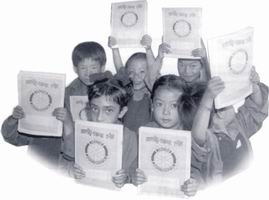
尼泊爾的學生展示軋丹西區扶輪社社員所分發的筆記本,上面描述了何謂缺碘症及如何預防。 Students in Nepal display notebooks distributed by Patan West Rotarians, describing iodine deficiency disorder and its prevention. |
|
|
|
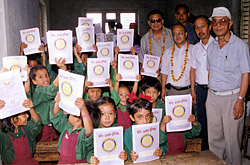

缺碘症是尼泊爾一項重大的公共保健問題,造成耳聾、肢體畸形、心理不正常、流產、以及其他問題。多使用碘就可以很有效地預防這種疾昃。根據一份政府報告,雖然90%以上的人口可以取得碘,但只有大約63%的人使用它。
Iodine deficiency disorders (IDD) are a major public health concern in Nepal, causing deafness, physical deformities, mental abnormalities, miscarriages, and other problems. Consumption of iodized salt is a highly effective way to prevent the disorder. Although more than 90 percent of the population has access to iodized salt, only about 63 percent use it, according to a government report.
有鑒於提高大眾對於缺碘症的認識的重要性,日本2620地區靜岡日本平(Shizuoka Nihondaira)扶輪社、尼泊爾巴丹西區扶輪社(Patan West)、及他們所屬的兩個地區(2620及3290地區)便合作在巴丹地區的68個學校提供教育計劃。在扶輪基金的配合獎助金1萬美元的協助之下,該計劃於2002年7-9月分發了筆記本、錄音帶、海報、及其他資料給各學校。這項活動接觸了12000個學生及其家庭,告訴他們碘的重要性,以及缺少這種重要營養素的後果。
Recognizing the importance of raising public awareness of IDD, the Rotary clubs of Shizuoka Nihondaira, Japan, and Patan West, Nepal, and their respective districts (2620 and 3290) teamed up to provide educational programs at 68 schools in the Patan area. Aided by a US$10,000 Rotary Foundation Matching Grant, the project distributed notebooks, audiocassettes, posters, and other materials to the schools from July to September 2002. The effort reached more than 12,000 students and their families with the message about the importance of iodine and consequences of deficiency in this vital nutrient.
 此外,該計劃提供了一台電視、投影機、一些電腦、及其他設備給一所經在進行缺碘症預防計劃的學校。聯合國兒童基金會會參加了這項工作,提供有缺碘症資訊的小冊子以及測試碘的器材。
In addition, the project supplied a school already conducting programs on IDD with a television, overhead projector, computers, and other equipment. UNICEF also took part in the effort, providing pamphlets with the IDD message and iodine testing kits.
巴丹西區扶輪社的約西Ram Prasad Joshi說:「新聞媒體大幅報導這項計劃,包括全國性的日報以及尼泊爾電視台。該計劃不僅促進大眾對於缺碘症的認識,幫助推廣使用碘鹽,而且做了很多事讓鄉民瞭解扶輪及扶輪對該社區的服務。」
"News on the project was well carried out by the news media - national dailies as well as by Nepal TV," says Ram Prasad Joshi, of the Patan West club. "The project has not only created awareness about IDD and helped promote the use of iodized salt but also has gone a long way in getting the rural population to know about Rotary and its services to the community."