再聯繫 通訊 (心繫扶輪)2010年 4月發行
|
|||
|
扶輪和平中心前受獎人闡述他們自己的看法
Rotary Peace Centers alumni sound off
Rotary International News -- 23 February 2010
扶輪國際新聞-2010年2月23日
1999年扶輪基金會建立了和平及解決衝突的國際研究扶輪中心,來促進和平及培養下一代社區及世界的領導人。
In 1999, The Rotary Foundation established the Rotary Centers
for International Studies in peace and conflict resolution to
promote peace and develop the next generation of community and
world leaders.
與位於六個國家的八所知名的大學合作,這個計劃每年訓練了多達100名的扶輪世界和平獎學生。去年更有包含許多扶輪中心前受獎人、多達400位的參與者出席第二屆扶輪和平座談會。這個座談會是舉行在英國伯明罕國際扶輪國際年會之會前會。全球觀點訪問了由扶輪協助訓練的四位調解者,聽聽他們對於和平的觀點。以下是在2月23日世界瞭解與和平日的圓桌會議上的觀察記錄。
In partnership with eight prestigious universities in six
countries, the program trains up to 100 Rotary World Peace
Fellows each year. Last year, more than 400 participants,
including numerous
全球觀點:什麼讓你認為,和平是有可能達成的?
Global Outlook:
What gives you hope that peace can be achieved?
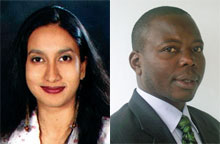
瑪莉亞.塞芬迪.愛芬迪(英國布萊弗德大學,
2006-08)是巴基斯坦伊斯蘭馬巴德的國防大學和平及衝突研究學系的助理教授:在國際的層次,我的希望放在慈善工作、社會工作及服務。透過處理人類安全的議題、保障食物及供水,還有環保,以致於經濟繁榮及免費教育都有助於達成和平。只要這些議題被確認及處理好,人類就會減少對抗;世界也會有較少的衝突發生。
Maria Saifuddin Effendi (University of Bradford, England,
2006-08)
is an assistant professor in the Department of Peace and
Conflict Studies at
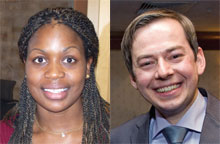
顧弗瑞.馬卡拉茲(澳州昆士蘭大學,
2004-06)是解決烏干達坎培拉衝突、大湖研究中心的共同創始職者:以往在世界各地成功解決衝突及建立和平的故事帶給我很大的希望。我深信總有一天我們的努力會產生好的收獲。雖然和平不會在某個特定時間實現,但是我們每天貢獻一點,這些努力總有一天會創造大幅度的改變。
Godfrey Mukalazi (University of Queensland, Australia, 2004-06)
is a cofounder of the
亞諾達斯.平克維奇亞斯(法國巴黎政治學院,
2002-04)比利時布魯塞爾歐洲國會中外交事務委員會的管理者:歐盟帶給我最大的希望,因為這是我生活且服務的地方。當我環顧這個地區由歐盟為這個洲試圖創造的和平、穩定、以及民主;而就在這個洲,上個世紀才發生過二個催毀性的戰爭及世界史上最極權的政權。我開始相信和平是有可能的。
Arnoldas Pranckevičius (Sciences Po, France, 2002-04) is the
administrator of the Committee on Foreign Affairs of the
European Parliament in Brussels, Belgium: What gives me the
greatest hope is the example of the European Union, where I live
and which I serve. When I look at this area of peace, stability,
and democracy that the EU managed to create on the continent
which only last century gave birth to the two most devastating
wars and to the most brutal totalitarian regimes in the world’s
history, I begin to believe that peace is possible.
全球觀點:在你工作的內容中,你認為什麼是解決衝突及達到和平的最大障礙?
GO:
In your work, what do you see as the greatest obstacle to
resolving conflict and achieving peace?
西西莉亞
那迪維
(澳州昆士蘭大學,2006-08)
是一個位於辛巴威哈拉爾的地區和平組織的非洲和平活動中心的營運主任:和平的跘腳石可以分為許多不同的層次。因為缺乏資訊或錯誤的資訊,使得許多在辛巴威的事情全都走了樣,導致極端、分裂、且政治化的媒體現象。在這裡,最迫切需要受到關注的議題就是重建媒體。
Cecilia Nedziwe (University of Queensland, Australia, 2006-08)
is the operations director at the Centre for Peace Initiatives
in Africa, a regional peace organization based in
顧弗瑞.馬卡拉茲:在我的國家,主要的障礙是不良的領導。不好的政治領導人帶來的國家事務管理不善、國家經費的濫用、及對反對行為的鎮壓不但導致且提高衝突的情況。他們無法為我們的國民提供社會服務,也因此引發了衝突。
Mukalazi:
With respect to my country, the major obstacle is bad
leadership. Poor political leaders have created and escalated
conflict by engaging in maladministration of state affairs,
misappropriation of state funds, and suppression of the
opposition. They have failed to deliver social services to our
citizens, thereby sparking conflict.
全球觀點:無論是以個人身分或以扶輪社的計劃的形式,你認為扶輪社員可以做些什麼,來讓我們可以幫助邁向世界和平?
GO:
What do you think Rotarians can do, as individuals or in club
projects, to help move us toward world peace?
瑪莉亞.塞芬迪.愛芬迪:扶輪世界和平獎學金計劃就是一個扶輪社員最好的行動。但是只有在經過跨國的激烈競爭後,人們才可以受益於這個獎學金計劃。我想建議地區扶輪社引進一個為期10天的和平工作營,以使得研究解決衝突及和平的學生及專業人士可以參加。這類的工作營可以將和平的概念推展到那些比較容易發生衝突的地區。人們將會更注重且更了解和平。
Effendi:
The Rotary World Peace Fellowships program is an excellent
initiative of Rotarians. But people can [reap] the benefits only
after going through a tough competition at the international
level. I would like to suggest that regional Rotary clubs
introduce 10-day peace workshops at the regional level, which
could be attended by students and professionals of conflict
resolution and peace studies. Such workshops will spread the
word of peace throughout the conflict-prone areas. People will
become more aware and well informed.
全球觀點:人類已經在衝突中生存了好幾千年,這也使得人們相信要達到和平,需要改變人類的天性。你為什麼認為這是可能達成的?
GO:
Humans have been in conflict for thousands of years, leading
many people to think that the goal of peace requires changing
human nature. What makes you believe this is possible?
西西莉亞.那迪維:
我不是一個魁克派教徒,但是我認同他們的信念:相信每個人的價值及信念,以愛的力量去克服暴力與不公平。這是一項具有挑戰性且令人退縮的任務。扶輪基金會正藉由(根除)小兒麻痺症、提供社區乾淨的水、以及藉由提供他們受教育的機會授權給年輕人來引領大家往這個方向走。這些努力都是非常值得敬佩,而且應該繼續下去的。
Nedziwe:
I am not a Quaker, but I subscribe to their belief in the worth
of every person and faith — in the power of love to overcome
violence and injustice. I believe that the goal of peace should
be guided by the power of love, which changes human nature. This
is a challenging and daunting task. The Rotary Foundation is
leading the way through polio [eradication], providing
communities with clean water, and in empowering young people by
providing them with educational opportunities. These efforts are
very commendable and should continue.
瑪莉亞.塞芬迪.愛芬迪:人類的本性並不是天生毀滅性的。當人們被社會系統忽視,同時受同類的壓迫,他們就會發聲以對抗經濟、政治、或社會上的病態。如果他們的聲音仍舊沒被聽見,他們的情感就會轉變為挫敗。我們需要提供讓人類可以發展他們最好一面的環境。
Effendi:
Human nature is not innately destructive. When people are
ignored by the social system and suppressed by their fellow
beings, they raise their voices against the economic, political,
or social ills. If their voices remain unheard, their emotions
transform into frustration. We need to provide the conditions
that enable human beings to grow at their best.
全球觀點:
有哪些最近的發展,例如是政治的改變或事件,讓你感到越來越有希望?
GO:
What recent developments — political changes or events — give
you an increased sense of hope?
西西莉亞.那迪維:
以辛巴威為例,儘管在過去這幾年面臨了許多挑戰,一個全方位政府的成形,已為許多地區帶來了一些緩和的氣氛。雖然第一個所有股東的會議因為破壞者而被打斷,大家仍對多黨政治會領著大家,走向以人民為導向的機構,抱著很大的希望。再者,一個全方位的政府開始朝向國家痊癒、和解、及一個整合的過程,雖然它的領袖的真誠在某種程度上仍令人感到懷疑,但它仍是值得敬佩的。
Nedziwe:
In the case of
亞諾達斯.平克維奇亞斯:
我經常問我自己:這個世界在未來的20或50年後會變成什麼樣子?
它會變成一個充滿國際強勢組織及國際法律優勢的世界嗎?
或者是由單一國家利益及單方行為來定義的世界呢?這將會是一個令每個人都可因全球化持續發展而可從中獲利的世界,抑或是一個會因經濟保護主義讓不平等的狀況更嚴重、而使得像非洲這種地方的貧窮問題更加擴大的世界呢?
關鍵是要用長期的觀點來看我們的這個星球,並且要清楚我們未來要走向哪裡。國際社會一致努力處理全球經濟危機,及氣候變遷帶來的許多的挑戰,隱約透露出我們正邁向正確的方向。
Pranckevičius:
I often ask myself how the world will look in 20 or 50 years.
Will it be a world of strong international institutions and
supremacy of international law, or a world defined by narrow
national interests and unilateral action? Will it be a world of
sustainable development with the gains of globalization
available to everybody, or a world of economic protectionism,
rising inequalities, and exploding poverty in places like
顧弗瑞.馬卡拉茲:
在澳洲進行的關於原住民的認同的調解、美國的政治傾向、及南非的狀況等等,這些都是在全球各地展開、增進相互了解的前兆。
Mukalazi:
The reconciliation developments in Australia regarding the
recognition of the Aborigines, the political trends in the
United States, the situation in South Africa — these are
precursors of a green light toward world understanding that is
sweeping the globe. |
|||
|